Practical Responsible Gambling Controls for Canadian Players
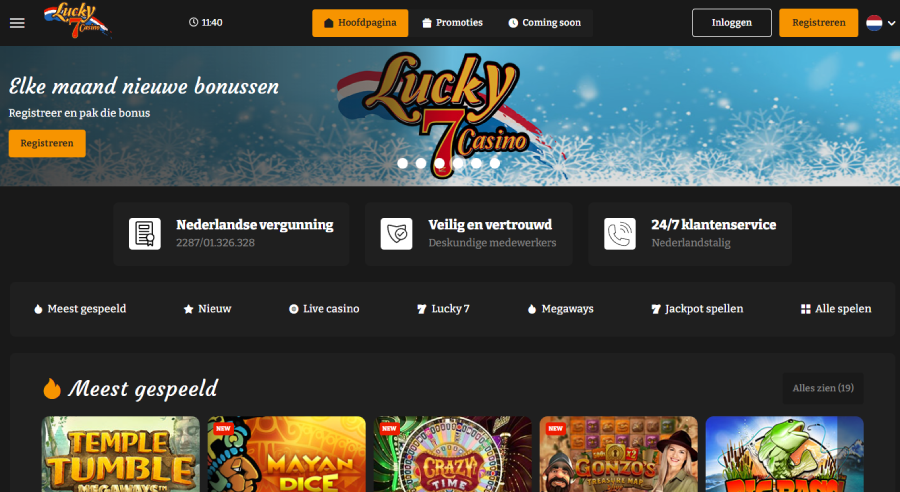
Responsible gambling in Canada is easier to manage when limits are chosen before play becomes emotional or hurried. The controls described for the lucky hills online casino include deposit and loss limits, self-exclusion, account closure, transaction records and support assistance. These tools do not remove every risk, and they cannot guarantee that gambling remains affordable, but they can create useful boundaries. The important step is to treat them as part of a personal plan rather than emergency measures used only after spending has become difficult to control.
Begin with a budget that treats gambling as entertainment
A gambling budget should come from money left after essential costs, not from rent, food, debt payments, savings or credit intended for another purpose. Decide on a maximum amount for a day, week or month before opening a game. Write the figure down and regard it as the full entertainment cost, whether the money is lost quickly or lasts across several sessions. A budget based on available disposable funds is more realistic than one based on hoped-for winnings.
Time deserves the same attention as money. A short session can expand when a player is chasing a result, switching between games or watching live tables. Set an end time and use an alarm if necessary. Avoid gambling while tired, upset, intoxicated or distracted, since those conditions can make ordinary decisions feel less important. Planned breaks also make it easier to notice whether the activity is still enjoyable or has become a source of pressure.
Keep gambling separate from income-making activities. Wins are uncertain and should not be described as earnings, a repayment strategy or a way to solve financial problems. If the planned budget disappears, stop rather than increasing it to recover the loss. A useful personal rule is to accept a loss as the cost of the session and never borrow, sell possessions or use essential funds to continue.
Use account limits before pressure builds
The available account controls include daily, weekly and monthly deposit limits, as well as loss limits. These settings are most useful when selected calmly, before a deposit is needed. Choose an amount that fits the budget you already established, not the amount a particularly optimistic day might permit. If the account presents the controls under a profile or limits area, review the displayed terms carefully before confirming a change.
Limits can work differently from one another. A deposit limit restricts money added to the account, while a loss limit relates to the result of play over the relevant period. Neither necessarily measures time spent, emotional impact or money held elsewhere. Check how the platform defines each setting, when a new limit takes effect and whether a reduction is immediate. Do not assume that lowering one limit automatically changes the others.
Keep a simple record of deposits, withdrawals, wagers and time spent. The account’s operations history can help with this, but a separate note or spreadsheet may show the wider picture, including funds used on other gambling services. If the figures are difficult to reconcile, pause and contact support rather than making another deposit. Records are valuable because memory often understates frequent small transactions.
Recognise when a limit is no longer enough
Some warning signs appear gradually: spending more than planned, hiding gambling from family, borrowing to continue, feeling restless when not playing, or repeatedly trying to win back losses. Other signs include neglecting work or responsibilities, cancelling plans to gamble, or becoming preoccupied with the next opportunity. One sign does not provide a diagnosis, but several together deserve a serious pause and an honest conversation.
When ordinary limits are being bypassed or repeatedly raised, self-exclusion is a stronger boundary. The available account information describes self-exclusion and account closure options, with support handling related requests. Read the terms for duration, reactivation and any account consequences before submitting a request. If gambling across several operators is a concern, closing one account alone may not address the wider pattern.
Support can assist with account closure, reactivation questions, limit settings and other account controls. Contacting support is not an admission of failure; it is a practical way to create distance from a difficult decision. For broader information about safer gambling and available help in Canada, consult Canada’s Responsible Gambling information. If gambling is connected with urgent financial, emotional or safety concerns, seek qualified professional or crisis support promptly.
Make game choice part of the safety plan
Different game categories create different experiences. Slots, live tables, roulette, blackjack, game shows and fast-paced or crash-style games may vary in speed, decision-making and how quickly a balance changes. Sports and esports betting add another form of uncertainty. A large lobby can encourage constant switching, so choose a narrow entertainment purpose before browsing instead of treating every available title as an invitation to play.

Read the individual game rules before staking money. They explain the mechanics and may clarify features that affect pace, such as bonus rounds, multipliers or repeated rounds. A brief trial does not prove that a game will produce a particular return, and recent results do not make a future outcome more likely. Avoid claims that a title is “due” to pay, especially after a losing sequence.
Promotional play needs an additional layer of caution. Bonus balances can have wagering requirements, validity periods, maximum payable winnings and restrictions on which games contribute to wagering. An unfinished promotion may also affect a withdrawal. Treat promotional funds as conditional, not as cash already available to you, and read the applicable rules before accepting an offer. Declining a promotion can be the simpler option when conditions would encourage longer play.
Check the local and practical limitations
Responsible gambling also means understanding what the service does not establish. The supplied information describes an offshore licence rather than registration with iGaming Ontario, and availability or individual game access may depend on location and applicable restrictions. Do not assume that being in Canada confirms legality, access, currency support or eligibility. Review the operator’s current terms and your provincial requirements before using any service.
Account safeguards depend on accurate information and proper ownership. The stated rules require players to act on their own behalf, use payment accounts they own and avoid duplicate accounts. Identity or address checks may be requested, and inaccurate details can create account or withdrawal restrictions. Keeping credentials private, logging out on shared devices and checking account activity can reduce practical security problems alongside gambling-related risks.
Before continuing, ask three questions: Can I afford the planned amount if it is lost? Can I stop at the intended time? Would I be comfortable explaining the activity and spending to someone I trust? A “no” answer is a reason to pause, not to test another game. Save support details, tell a trusted person about your limits if helpful, and use self-exclusion or closure when a temporary break is not enough.
Responsible gambling questions from Canadian players
What is the first limit I should set?
Start with a deposit limit based on disposable entertainment money, then set a separate loss and time boundary if available. Choose limits before playing and keep them low enough that losing the full amount would not affect essentials. Check how each control works and when changes take effect.
Does a short game session prove that a game is fair?
No. A short session cannot verify a game’s return, volatility or future results. Individual outcomes remain uncertain, and recent wins or losses do not predict the next round. Read the game rules, set a fixed budget and stop when the planned time or spending limit is reached.
When should I consider self-exclusion?
Consider self-exclusion when limits are repeatedly exceeded, gambling feels difficult to stop, losses are being chased, or the activity affects finances, relationships, work or wellbeing. Use the account’s self-exclusion or closure process and ask support about its terms. Seek independent help if gambling is causing significant distress.